Get Termite Inspection Service
Termite inspection services help property owners identify and address termite infestations early, protecting homes and structures during repair or prevention projects.
If you’re a property owner in the area considering the health and integrity of your building, a comprehensive termite inspection is an essential step. Detecting termites early can prevent extensive damage, helping to preserve the value and safety of your property. Whether you're planning a renovation, preparing to sell, or simply want peace of mind, local contractors who specialize in termite inspections can provide thorough assessments tailored to your needs. Keep reading to explore how these services can support your property management goals.
Comparing options among local service providers ensures you find the right professional for your inspection needs. Experienced contractors understand the unique challenges of the area and can offer insights into potential risks specific to your property type. By exploring your local choices, you can identify a provider that aligns with your project plans and ensures a reliable, detailed inspection process. Continue reading to learn more about how to connect with trusted termite inspection specialists in your community.
- Residential Property Inspection - homeowners may need a termite inspection when purchasing or maintaining a home.
- Commercial Building Check - businesses might require termite assessments to protect their property investments.
- Pre-Construction Evaluation - builders often seek termite inspections before starting new construction projects.
- Post-Repair Inspection - property owners may need a follow-up check after pest control treatments or repairs.
- Annual Property Assessment - property managers might schedule regular inspections to detect early signs of termite activity.
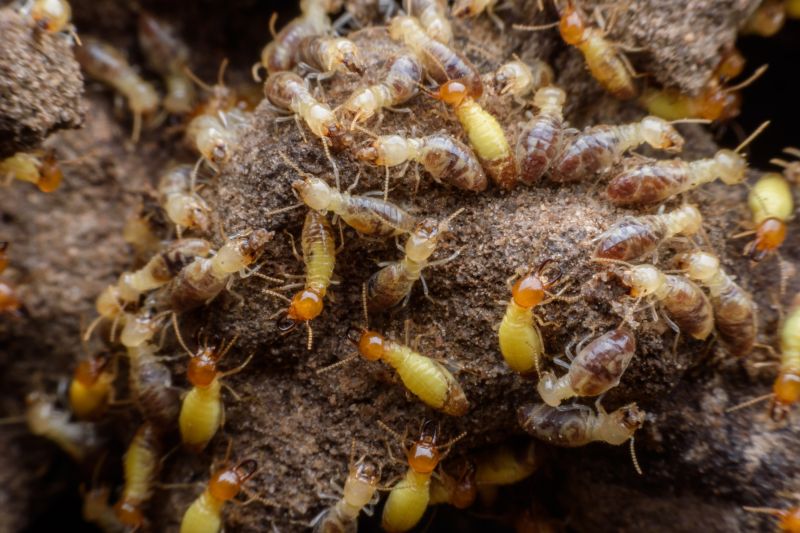
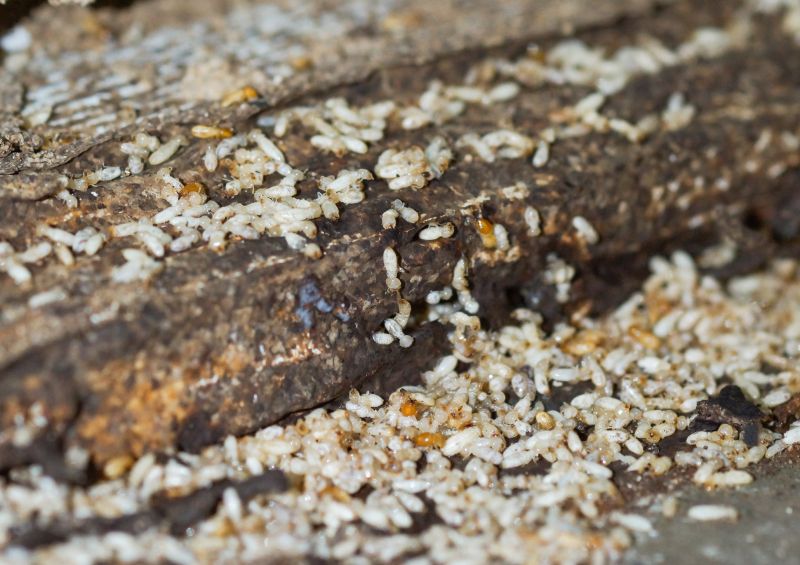
Termite inspection services involve a thorough assessment of a property to identify the presence of termites or signs of previous infestations. These inspections typically include a detailed visual examination of accessible areas such as the foundation, basement, crawl spaces, and wood structures. Service providers may also use specialized tools, like moisture meters or infrared cameras, to detect hidden termite activity. Regular inspections can help catch early signs of an infestation before significant damage occurs, providing homeowners with peace of mind and a clear understanding of their property’s condition.
Termite problems often manifest as hollowed or damaged wood, discarded wings, mud tubes along walls or foundations, and other subtle signs that can be difficult for untrained eyes to notice. Left untreated, termites can cause extensive structural damage, compromising the safety and stability of a home. A professional termite inspection helps identify these issues early, enabling property owners to take prompt action. Detecting termites in the initial stages can prevent costly repairs and protect the value of the property over time.
These services are commonly used for a variety of property types, including single-family homes, multi-unit residential buildings, and even commercial properties with wooden structures. Homeowners considering purchasing a new property often schedule inspections as part of the buying process to ensure the property is free of termites. Additionally, properties that have experienced previous infestations or are located in areas prone to termite activity are good candidates for regular inspections. Routine checks can be an essential part of ongoing property maintenance, especially in regions where termite problems are prevalent.
Anyone noticing signs of potential termite activity or planning to buy or sell a property should consider scheduling a termite inspection. These services are valuable for identifying existing issues and preventing future damage. By connecting with experienced local contractors, homeowners can ensure a comprehensive assessment of their property’s condition. Regular inspections provide an important layer of protection, helping to maintain the integrity and value of the property over time.
The overview below groups typical Termite Inspection Service projects into broad ranges so you can see how smaller, mid-sized, and larger jobs often compare in your area.
In many markets, a large share of routine jobs stays in the lower and middle ranges, while only a smaller percentage of projects moves into the highest bands when the work is more complex or site conditions are harder than average.
Smaller Repairs - Most routine termite inspections for small areas typically range from $250 to $600. Many local contractors handle these standard jobs within this price band, which covers common residential inspections. Larger or more detailed inspections may cost more, but smaller projects are most common.
Standard Inspection Fees - A typical termite inspection for an average-sized home usually costs between $300 and $700. This range reflects the majority of inspections performed for homes of moderate size, with fewer projects exceeding $1,000. Prices can vary based on property size and inspection complexity.
Extensive or Complex Projects - Larger, more complex inspections or properties with unique challenges can reach $1,000 to $2,500 or more. These projects are less common and often involve detailed assessments or properties with extensive infestations requiring thorough evaluation by local service providers.
Full Treatment or Replacement - Complete termite treatment or full replacement services can cost from $1,500 to over $5,000 depending on the scope. Such projects are typically reserved for severe infestations or large properties, with many jobs falling into the mid-range for standard homes.
Actual totals will depend on details like access to the work area, the scope of the project, and the materials selected, so use these as general starting points rather than exact figures.
Home Inspection Projects - professionals who perform comprehensive evaluations of residential properties often use similar skills to identify signs of termite activity and structural issues.
Structural Pest Control Treatments - contractors applying treatments for pests like ants or rodents share techniques for assessing and addressing pest-related damage in buildings.
Wood Damage Assessment - specialists inspecting for wood rot or decay utilize comparable planning and tools to detect termite infestations and compromised wood structures.
Moisture Detection Services - providers using moisture meters and thermal imaging to find water issues can also identify conditions conducive to termite activity.
Foundation Inspection Services - inspectors evaluating foundation stability often look for termite-related damage that may affect structural integrity.
Pre-Construction Termite Barriers - contractors installing barriers or treatments before construction share planning and execution skills relevant to termite prevention measures.

When comparing service providers for termite inspection services, it’s important to consider their experience with similar projects. Homeowners should look for local contractors who have a proven track record in performing termite inspections within the residential or commercial properties similar to their own. A contractor’s familiarity with local termite species and common infestation issues can contribute to a more thorough and effective inspection. Asking about the number of years they have been performing termite inspections or the types of properties they have worked on can help gauge their expertise and ability to handle specific concerns.
Clear written expectations are essential to ensure that both the homeowner and the service provider are aligned on what the inspection will include and any follow-up steps. Homeowners should seek out local pros who provide detailed descriptions of their inspection process, what areas will be examined, and any recommendations for treatment or further action. Having this information in writing helps prevent misunderstandings and provides a reference point should questions or issues arise later. It’s also beneficial to confirm whether the contractor’s scope of work matches the homeowner’s specific needs and concerns.
Reputable references and good communication are key indicators of a trustworthy service provider. Homeowners can request references from previous clients or look for reviews that highlight the contractor’s reliability, professionalism, and quality of work. Effective communication involves timely responses to inquiries, transparent explanations of findings, and a willingness to answer questions. Choosing local pros who prioritize clear and open communication can lead to a smoother inspection process and foster confidence in their ability to address termite concerns thoroughly. It’s important to remember that the site functions solely as a resource to introduce homeowners to local options and does not perform the inspection or treatment services itself.
Property owners use Termite Inspection Service services for practical projects around their homes and businesses. This guide focuses on everyday jobs and straightforward project options.

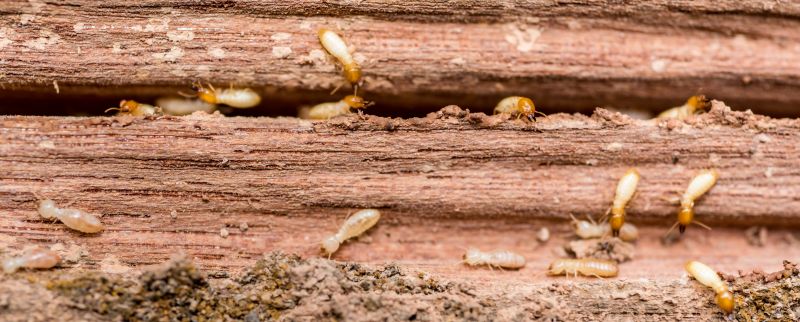
Property owners in the area often seek termite inspection services when preparing to buy or sell a home, aiming to identify potential pest issues before they become costly problems. Additionally, homeowners may schedule regular inspections as part of routine property maintenance, especially in regions where termite activity is common, to protect their investment and prevent unexpected damage.
Many local residents turn to termite inspection service providers when they notice signs of possible infestation, such as mud tubes or damaged wood, or after experiencing recent construction or landscaping that could disturb subterranean pests. Engaging experienced local contractors ensures thorough assessments and helps maintain the integrity of the property over time.
What is involved in a termite inspection? A termite inspection typically includes a thorough visual examination of the property’s interior and exterior to identify signs of termite activity or damage. Local contractors may also use specialized tools to detect hidden infestations.
Why should I schedule a termite inspection? Scheduling an inspection can help detect termite problems early, preventing extensive damage to the property. Local service providers can assess the risk and recommend appropriate treatment options if needed.
How often should a termite inspection be performed? It is generally recommended to have a termite inspection conducted annually or as advised by local contractors, especially in areas prone to termite activity.
What areas are typically checked during a termite inspection? Inspectors usually examine areas such as basements, crawl spaces, attics, wood structures, and around the foundation for signs of termites or related damage.
Can a termite inspection identify different types of termites? Yes, a professional inspection can help identify the presence of various termite species and determine the extent of infestation, enabling targeted treatment by local contractors.
Preventive Property Maintenance - Schedule regular termite inspections to identify early signs of infestation before significant damage occurs.
Pre-Purchase Home Checks - Use termite inspection services when buying a property to ensure the home is free from unseen pest issues.
Post-Construction Evaluation - Arrange inspections after building projects to confirm that new structures are protected against termite entry.
Ongoing Pest Management Plans - Incorporate termite inspections into routine pest control routines to maintain a healthy, pest-free home.
If you are thinking about Termite Inspection Service for a property, this guide is meant to help you understand the work, the typical project types, and how different options might fit your plans.
When you are ready, you can use the quote form on this page to share a few details about your project. From there, local pros can review the basics and respond with options that match what you have in mind.